



How AI Is Transforming the Construction Industry?
The growing adoption of artificial intelligence (AI) in construction is a key factor behind the industry's projected compound annual growth rate (CAGR) of 36.00% from 2024 to 2031. AI is proving to be a game-changer, offering a wide range of advantages for construction processes.
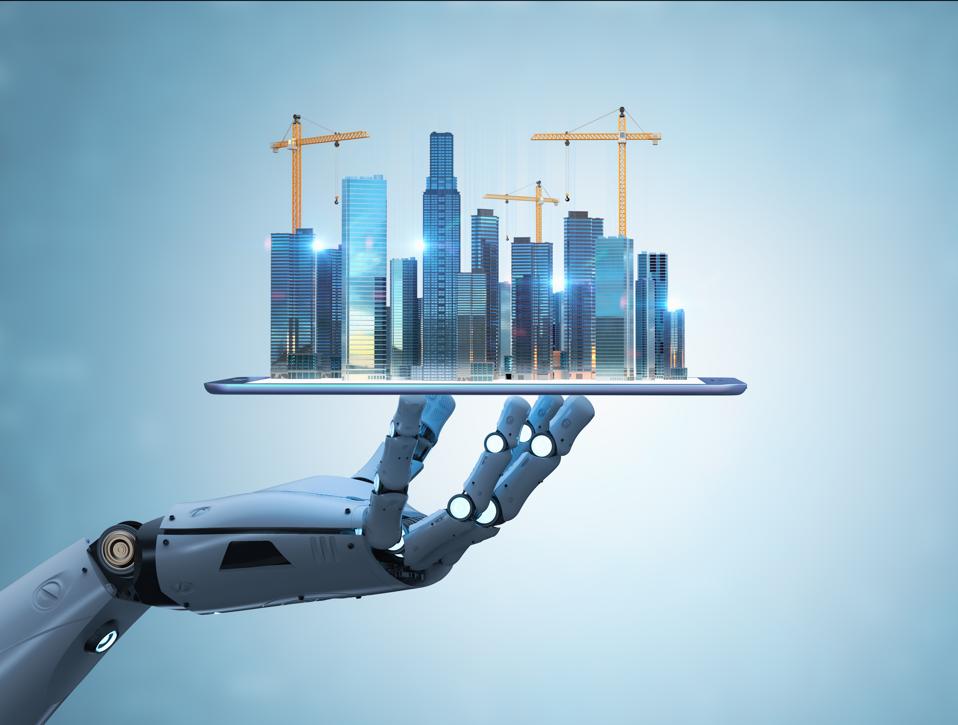
Generative AI in Design and Planning
McKinsey estimates that by 2030, up to 30% of work hours across the U.S. economy could be automated—largely driven by the rise of generative AI.
Generative AI leverages deep learning to process massive datasets, including construction drawings, design models, and project specifications. It goes beyond refining existing designs by generating entirely new, optimized solutions tailored to specific needs.
One of the most significant uses of this technology is in 3D modeling and project planning. Generative AI enables the seamless integration of architectural designs with engineering systems and other specialized components such as electrical and plumbing infrastructure.
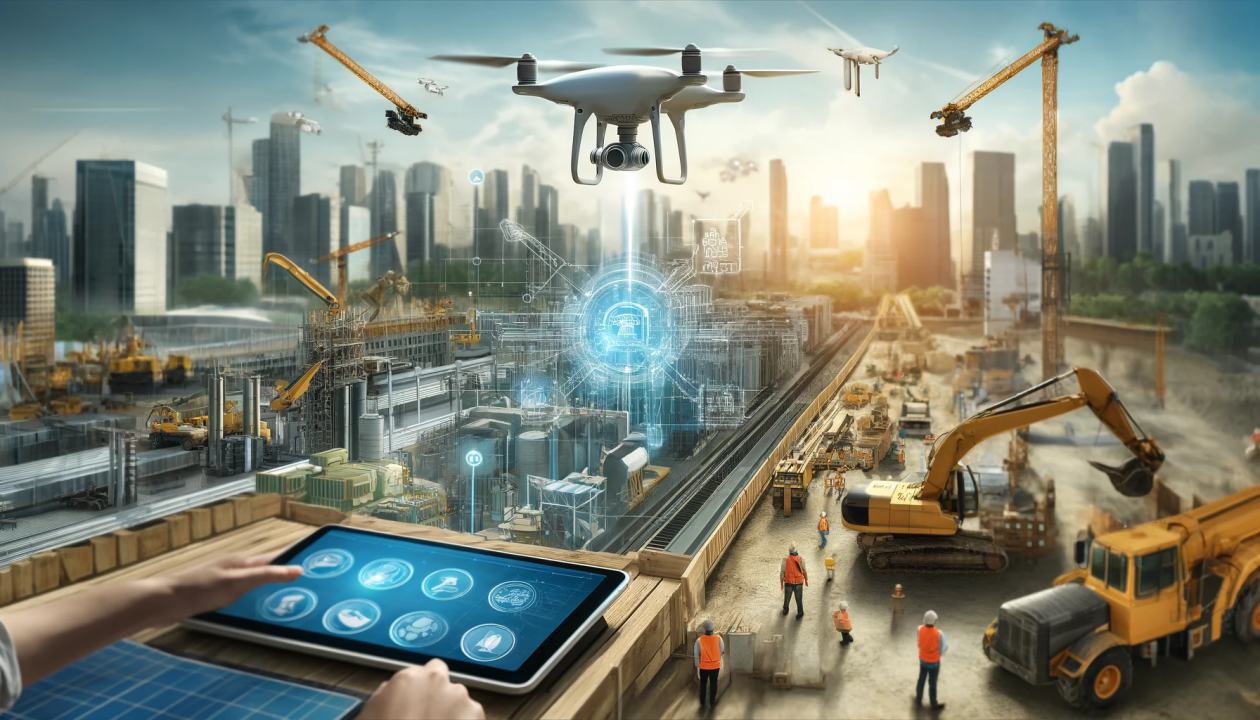
By incorporating generative design early in the planning stage, project teams can identify and resolve potential conflicts between different systems before construction begins. This proactive approach reduces delays, prevents costly rework, and improves overall project efficiency.
Moreover, generative AI allows for advanced simulation and predictive modeling. Virtual prototypes can be created to test how a structure will perform under various environmental conditions, enhancing durability and sustainability.
- Dự Báo Hình Thái Đô Thị: Khi "Bản Đồ Lưới" Gặp Gỡ "Trí Tuệ Nhân Tạo"
- Xây dựng trên Mặt Trăng: Kiến trúc sẽ thay đổi thế nào để con người có thể ở lại?
- Nền tảng của tăng trưởng kinh tế
- Nợ tiềm tàng và các vấn đề khi phân tích nợ tiềm tàng
- Observability vs Monitoring: Hướng dẫn thực hiện Observability