



The integration of Building Information Modeling (BIM) changing project planning and execution in the construction industry
The integration of Building Information Modeling (BIM) is transforming how construction projects are planned, managed, and executed. BIM replaces traditional 2D drawings and fragmented workflows with a digital, data-rich model of a building, enabling better coordination, analysis, and decision-making throughout the project lifecycle. Building Information Modeling
Below are the main ways BIM is changing project planning and execution in the construction industry.
1. Improved Visualization and Design Planning
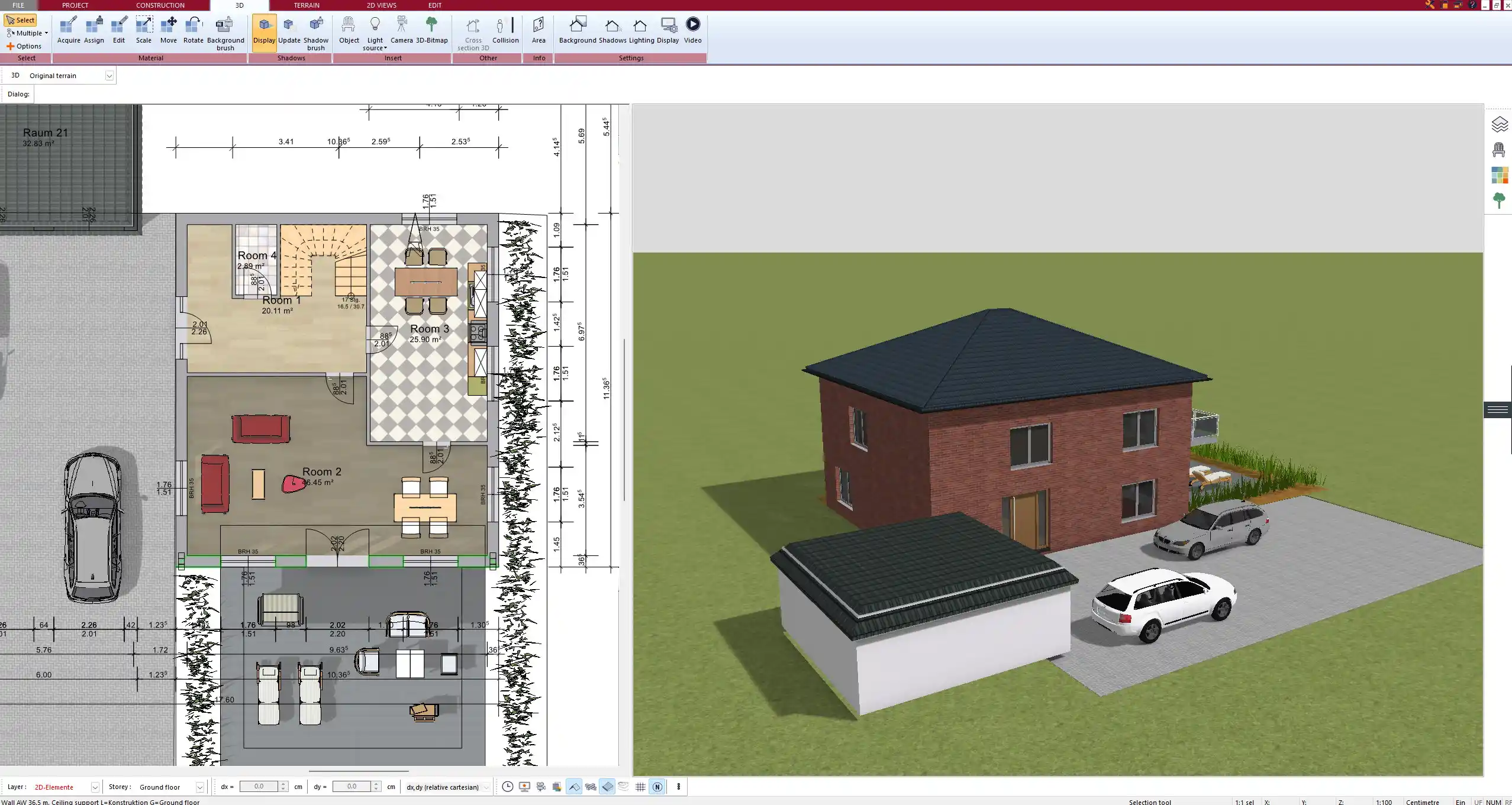
BIM creates a 3D digital model that represents both the physical and functional characteristics of a building. This allows project stakeholders to visualize the entire project before construction begins.
-
Architects, engineers, and clients can better understand the design.
-
Potential design issues can be identified early.
-
Design alternatives can be evaluated quickly.
Early visualization reduces misunderstandings and improves planning accuracy.
2. Enhanced Collaboration and Communication
BIM enables multiple stakeholders—architects, structural engineers, contractors, and project managers—to work on a shared digital model in real time.
Key benefits include:
-
A centralized information platform (often called a Common Data Environment).
-
Real-time updates to design changes.
-
Reduced miscommunication between disciplines.
This collaborative approach ensures that all participants work with the same updated project data, improving coordination and project control.

3. Early Clash Detection and Error Reduction
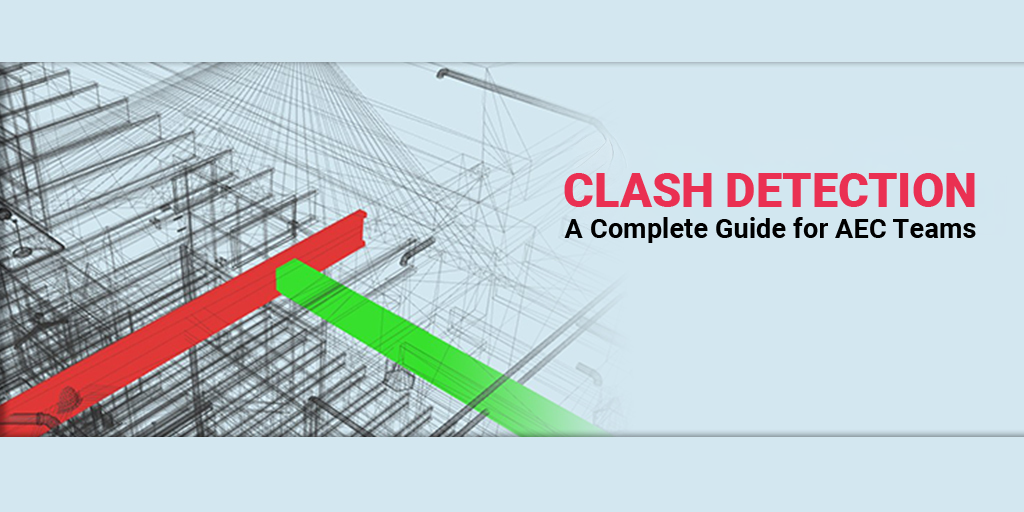
One of BIM’s most significant advantages is clash detection, which automatically identifies conflicts between building systems (e.g., structural, mechanical, electrical).
Example:
-
Detecting a pipe interfering with structural beams before construction.
By identifying problems early, BIM:
-
Reduces design errors and rework
-
Minimizes delays
-
Saves construction costs
4. Better Scheduling and Construction Simulation (4D BIM)
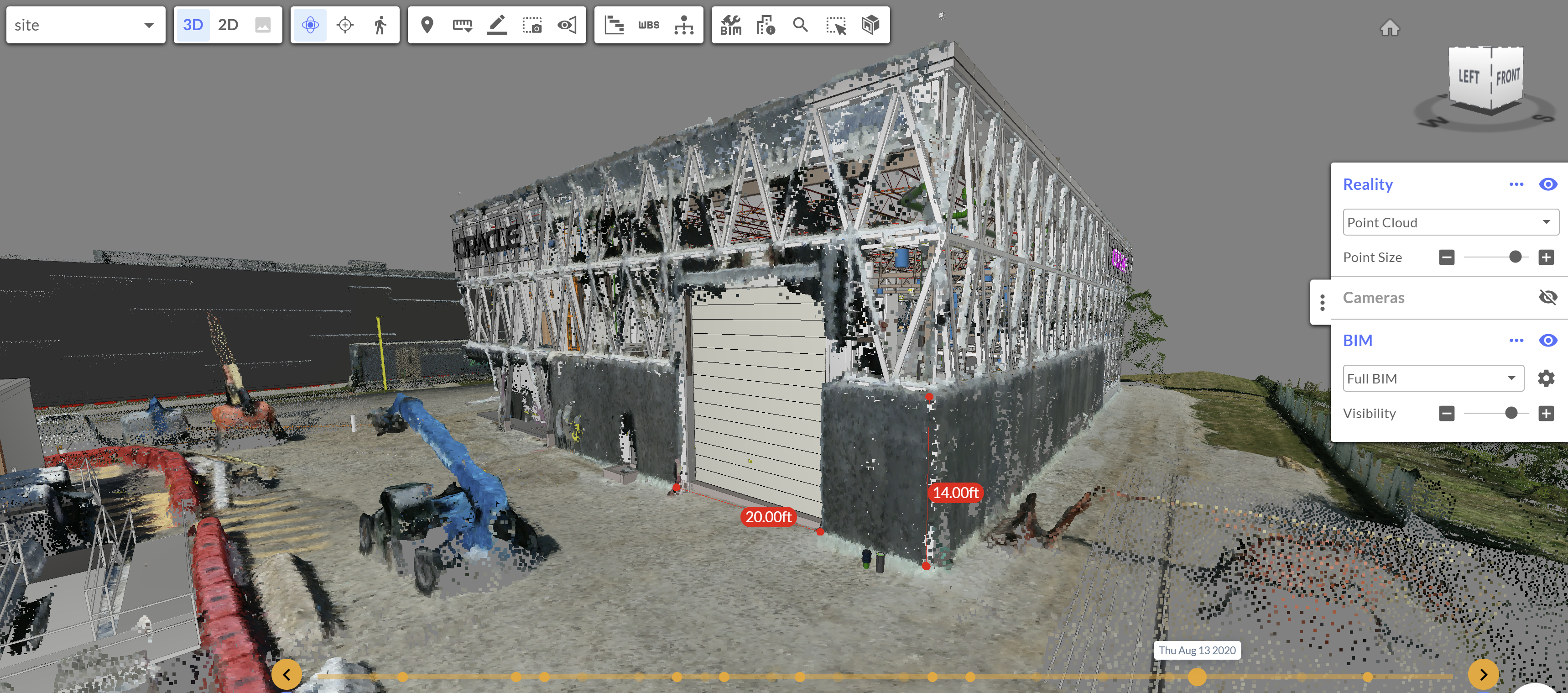
BIM integrates time-related information with the 3D model to create 4D simulations of construction activities.
This allows project teams to:
-
Visualize construction sequences
-
Identify scheduling conflicts
-
Optimize workflow and resource allocation
As a result, project managers can develop more realistic schedules and prevent delays.
5. More Accurate Cost Estimation and Budget Control (5D BIM)
BIM can also integrate cost data into the model (5D BIM).
Benefits include:
-
Automatic quantity takeoffs
-
More accurate cost estimation
-
Real-time budget updates when design changes occur
Studies show that BIM adoption can reduce project costs and improve budgeting accuracy by minimizing rework and material waste.
6. Improved Risk Management and Decision-Making
BIM allows project teams to simulate different scenarios and evaluate risks before construction begins.
Advantages:
-
Predictive analysis for schedule and cost impacts
-
Early identification of design and logistical risks
-
Better planning for safety and site logistics
This shifts project management from reactive problem-solving to proactive risk control.
7. Increased Efficiency and Project Performance
Research shows measurable improvements from BIM implementation:
-
Project duration reduced by about 20%
-
Project costs reduced by about 15%
-
Design errors reduced significantly
These improvements occur because BIM optimizes coordination, scheduling, and resource management.