



Benefits of Artificial Intelligence in Construction
Benefits of Artificial Intelligence in Construction
Artificial Intelligence (AI) is transforming the construction industry by automating routine processes, improving decision-making, and enhancing operational efficiency. Through advanced data analysis and machine learning capabilities, AI helps construction organizations reduce costs, improve safety, increase productivity, and promote sustainable development. The following sections highlight the major benefits of AI in construction.
Improved Safety Performance
One of the most significant contributions of AI in construction is its ability to enhance workplace safety. AI systems can analyze large volumes of project and operational data to identify potential hazards before accidents occur. Similar to weather forecasting models, predictive algorithms can estimate safety risks and provide early warnings to project managers.

Additionally, AI-powered monitoring systems can continuously evaluate the condition of construction equipment, detect abnormal operating patterns, and recommend preventive maintenance. Computer vision technologies integrated with cameras and sensors can automatically identify unsafe behaviors, such as workers not wearing personal protective equipment or operating machinery improperly. These capabilities contribute to a safer working environment and help minimize project disruptions caused by accidents.
Enhanced Planning and Design Processes
AI significantly improves both project planning and design optimization. By analyzing historical and real-time project data, AI applications can generate multiple scheduling alternatives and evaluate them based on resource availability, project duration, and budget constraints. This enables project managers to make more informed decisions and improve project outcomes.
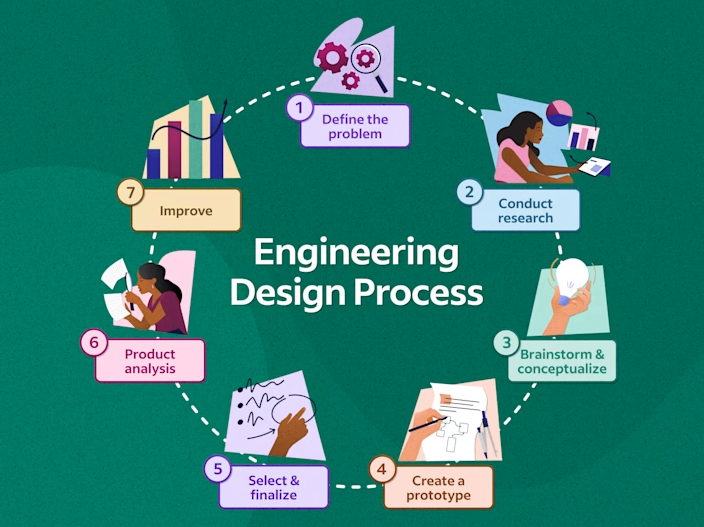
In the design phase, AI can rapidly generate and assess numerous design options according to predefined criteria, including construction cost, structural performance, and energy efficiency. Advanced AI-driven Building Information Modeling (BIM) platforms can integrate architectural, structural, mechanical, electrical, and plumbing systems to identify potential conflicts and optimize project execution strategies before construction begins.
Cost Reduction and Budget Control
Accurate cost estimation remains a critical challenge in construction due to fluctuating material prices, labor costs, and regulatory requirements. AI-powered cost management systems can process large datasets from previous and ongoing projects to generate more reliable cost estimates.

Furthermore, predictive analytics enables continuous monitoring of project expenditures and identifies potential budget overruns at an early stage. By providing real-time financial insights, AI supports proactive decision-making and helps organizations maintain tighter control over project budgets.
Increased Productivity
AI contributes to higher productivity by streamlining workflows and optimizing resource utilization. Intelligent systems can automate tasks such as material selection, procurement planning, and supplier coordination, reducing administrative workload and ensuring timely material delivery to construction sites.

AI can also improve workforce and equipment allocation by identifying where resources are needed most. Predictive maintenance technologies further support productivity by reducing unexpected equipment failures and minimizing downtime. In addition, AI-enabled robotic systems and semi-autonomous construction machinery can perform repetitive tasks efficiently, allowing workers to focus on higher-value activities.
Improved Quality Control
Maintaining construction quality is another area where AI offers substantial benefits. Before construction starts, AI software can review design documents and 3D models to detect inconsistencies, design errors, and constructability issues that may otherwise lead to costly rework.
During construction, AI-powered robots can execute tasks such as bricklaying and welding with high precision and consistency. Drones equipped with cameras and AI-based image analysis can inspect construction sites, compare actual progress with design specifications, and identify deviations from quality standards in real time.
Predictive Maintenance
AI-driven predictive maintenance systems use data collected from sensors installed in equipment and building systems to anticipate maintenance requirements before failures occur. By monitoring parameters such as vibration, temperature, and pressure, AI algorithms can identify early signs of deterioration and recommend timely interventions.
This proactive maintenance approach extends equipment lifespan, improves reliability, and reduces repair costs. It is widely applied in large and complex facilities, where uninterrupted operation of mechanical systems is critical for performance and safety.
Enhanced Energy Efficiency
As the construction industry faces increasing pressure to reduce environmental impacts, AI plays an important role in improving energy efficiency. AI systems can analyze real-time data from HVAC systems, weather forecasts, occupancy patterns, indoor environmental conditions, and renewable energy sources to optimize energy consumption.
By accurately predicting energy demand and adjusting operational settings accordingly, AI helps reduce energy waste and lower operational costs. These capabilities also support compliance with environmental regulations and contribute to the development of more sustainable buildings.
Optimized Project Management
AI strengthens project management by providing intelligent support for scheduling, resource allocation, and risk assessment. Automated scheduling tools can generate project timelines within a fraction of the time required by traditional methods, accelerating project initiation and planning activities.
Moreover, AI can identify potential delays, forecast cost overruns, and evaluate alternative solutions when disruptions occur. Such predictive capabilities enable project teams to respond more effectively to challenges and maintain project performance.
Advanced Data Analytics
The construction industry generates vast amounts of data throughout the project lifecycle. AI-powered analytics platforms can transform this information into actionable insights that improve planning, scheduling, safety management, and quality assurance.
Using data from drawings, BIM models, and project records, AI can produce highly accurate estimates of both direct costs, such as labor and materials, and indirect costs, including insurance and equipment maintenance. These insights support better strategic and operational decision-making.
Sustainability and Environmental Benefits
AI contributes significantly to sustainable construction practices by reducing waste generation and lowering carbon emissions. Technologies such as AI-assisted 3D printing enable more efficient use of materials, minimizing construction waste during fabrication and assembly processes.

AI can also optimize the design of concrete mixtures and promote the use of environmentally friendly materials with lower embodied carbon. Furthermore, intelligent forecasting tools help project teams accurately estimate material requirements, making sustainable alternatives more economically viable. Through these applications, AI supports the industry's transition toward greener and more resource-efficient construction practices.